

San Antonio, Texas 78253


Physical Therapy for Thoracic Back Pain
You may not think much about your middle back until it starts hurting when you sit, reach, twist, or drive. Our team will work with you to understand what's causing your back pain and develop a personalized treatment plan to help you move more comfortably again.
Understanding Thoracic Back Pain
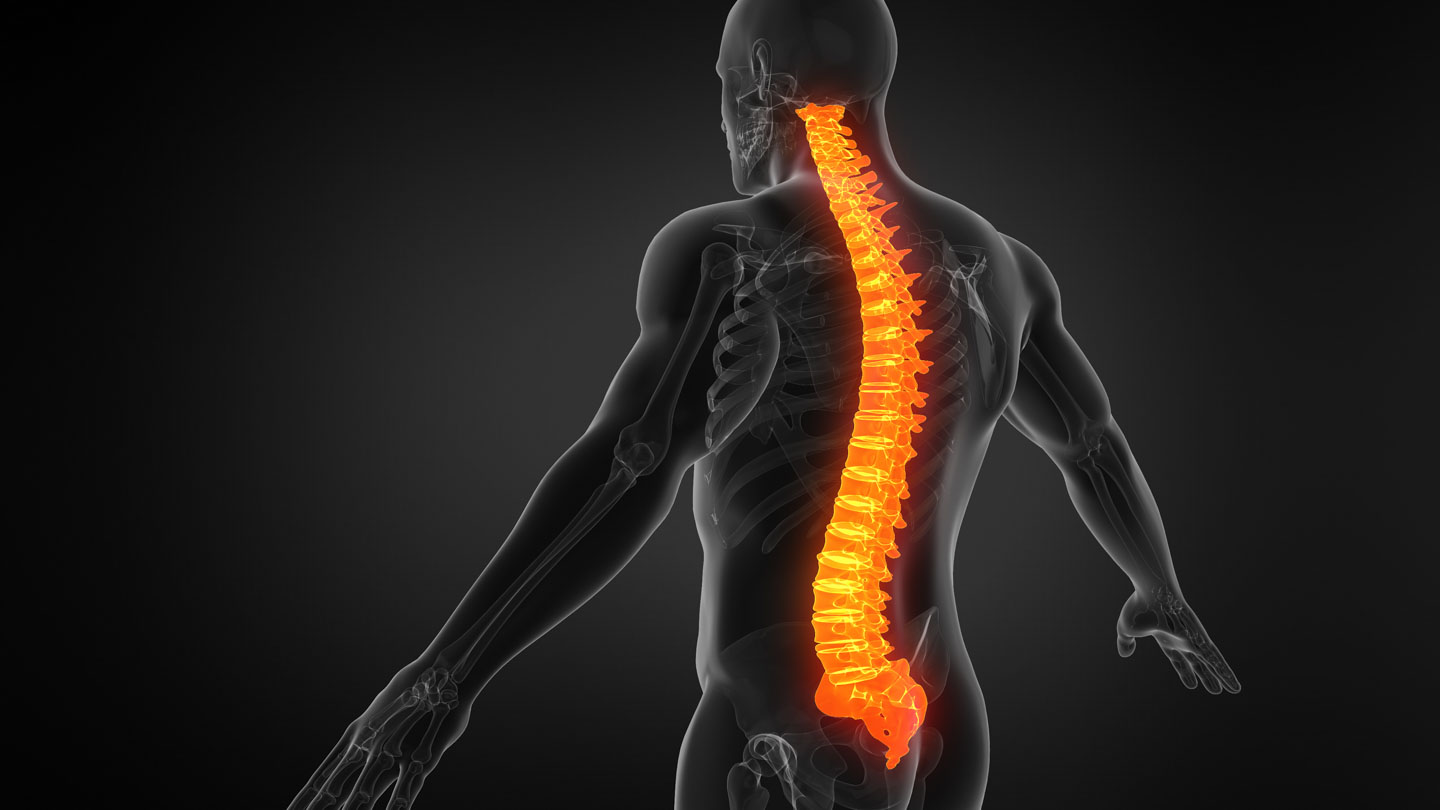
Thoracic back pain affects the middle portion of your spine, between your neck and lower back. This part of the spine doesn't move as much as other areas, but it still plays an important role in the way you twist, reach, lift, and maintain your posture throughout the day. When something isn't working the way it should, even simple activities can become uncomfortable.
Common Causes of Thoracic Back Pain
There isn't one single cause of middle back pain. For some people, it develops after an injury.
For others, it gradually builds from the way they work, exercise, or move throughout the day.
Understanding the causes of thoracic back pain is one of the first steps toward finding the right treatment.
Some of the most common causes include:
- Poor posture during work or daily activities
- Prolonged sitting or computer use
- Muscle strains and overuse injuries
- Joint stiffness
- Sports-related injuries
- Lifting injuries
- Scoliosis or spinal alignment changes
- Rib dysfunction
- Motor vehicle accidents
- Stress-related muscle tension
The muscles, joints, ribs, and thoracic vertebrae all work together whenever you bend, twist, reach, or lift.
When one area isn't moving well, it's common to
feel discomfort that spreads into the shoulders, chest, or between the shoulder blades.
That's why a thorough evaluation is so important before beginning treatment.
Is Thoracic Back Pain Affecting Your Daily Routine?
Middle back pain doesn't look the same for everyone.
Some people wake up feeling stiff, while others notice discomfort after sitting at work or staying active.
If these symptoms sound familiar, physical therapy may be able to help.
You may notice that your middle back:
- Feels sore at the end of the day
- Stiffens up when you twist or bend
- Aches between your shoulder blades
- Feels tight after sitting for a while
- Starts bothering you when you reach overhead
- Doesn't move as easily as it used to
- Makes it harder to sit comfortably for long periods
- Feels worse after repeating the same movements
- Is tender when you press on certain areas
If your symptoms are making everyday activities more difficult, we'll work with you to understand why they're happening and recommend a treatment plan that's designed around your goals—not a one-size-fits-all program.
Thoracic Back Pain Treatment
Physical Therapy San Antonio
Every treatment plan begins with a conversation. We'll ask about your symptoms, look at how you move, and evaluate your posture, flexibility, strength, and daily routine. Once we understand what's contributing to your discomfort, we'll recommend a thoracic back pain treatment plan that's tailored to your needs.
Manual Therapy
Some days your back just doesn't want to loosen up on its own. Manual therapy gives your therapist a chance to work directly with those tight or stiff areas before moving on to the rest of your treatment.
Therapeutic Exercise
Not every exercise is right for every person. We'll choose thoracic back pain exercises based on your symptoms, movement, and goals. As your strength and flexibility improve, everyday movements often begin to feel easier and more comfortable.
Postural Training
If your daily routine or posture is contributing to your discomfort, we'll help you make practical changes that fit naturally into your workday and everyday activities. The goal isn't perfect posture—it's finding positions and movement habits that place less stress on your back.
Functional Dry Needling
Tight muscles in the middle back can make even simple movements feel uncomfortable. Functional Dry Needling may be used to release trigger points that contribute to pain, improve mobility, and help your muscles relax.
Graston Instrument-Assisted Soft Tissue Mobilization
Sometimes muscles and other soft tissues don't move as freely as they should after an injury or repeated strain. Graston Therapy uses specialized instruments to locate those areas so your therapist can work on improving movement and easing discomfort.
Orthopedic Joint Mobilization & Manipulation
Not all middle back pain comes from the muscles. If the joints themselves aren't moving well, your therapist may recommend joint mobilization or manipulation to help improve motion before progressing to other treatments.
Kinesiology Taping
Kinesiology Tape may be used to support irritated muscles while still allowing you to move naturally. Depending on your condition, it can also help reduce strain during work, exercise, or everyday activities.
WINBACK Therapy
WINBACK Therapy uses radiofrequency technology to increase circulation and support the body's natural healing process. This therapy can also help reduce muscle tension and improve flexibility as part of your overall treatment plan.
Get Back to Moving Without Middle Back Pain
It's easy to start avoiding certain movements when your middle back hurts, but you shouldn't have to change the way you live because of ongoing discomfort. Whether your symptoms began after an injury or slowly developed over time, physical therapy can help you improve movement, build strength, and feel more confident doing the things you enjoy. Our goal is to help you leave treatment with the knowledge and tools to keep your back feeling its best long after therapy is over.
Find Relief from Thoracic Back Pain
You don't have to keep working around middle back pain or hope it improves on its own. Texas Alliance Physical Therapy will help you understand what's contributing to your symptoms, answer your questions, and create a treatment plan that's designed around your goals. If you're ready to move with less discomfort and greater confidence, we're here to help.

Conditions We Treat
Upper Body Pain


Lower Body Pain
Texas Alliance Physical Therapy
San Antonio, Texas 78253


Frequently Asked Questions
About Thoracic Back Pain

Think about the area between your shoulder blades—that's where thoracic back pain is usually felt. It can make everyday activities like sitting, reaching, twisting, or lifting feel more uncomfortable than they should.
The causes of thoracic back pain can vary from person to person. It may develop after an injury, from poor posture, repetitive movements, muscle strain, prolonged sitting, or stiffness in the joints of the middle back.
The best thoracic back pain treatment depends on what's causing your symptoms. After your evaluation, your physical therapist may recommend hands-on treatment, posture training, and exercises tailored to your needs.
If your back has been bothering you for a while, you've probably already tried stretching or changing positions. A physical therapist can help determine what's actually contributing to your pain and recommend thoracic back pain exercises that make sense for your situation.
The best exercises are the ones that are catered to your specific condition. Your physical therapist will recommend exercises that improve mobility, strengthen the supporting muscles, and help you move more comfortably without placing unnecessary stress on your back.
If your pain isn't getting better, keeps coming back, or is making work, exercise, or everyday activities more difficult, it's a good idea to schedule an evaluation. Finding the cause early can help you begin the right treatment sooner.
Have more questions? Contact Us.